Cookie Preferences
We use essential cookies to ensure our website functions correctly. No tracking or advertising cookies are used. By continuing, you accept our use of essential cookies.
The paint is at its best on day one.
- Where
- Yelberton Trading Estate, Paignton
- How long
- Quoted after inspection
- Price
- Quoted per vehicle
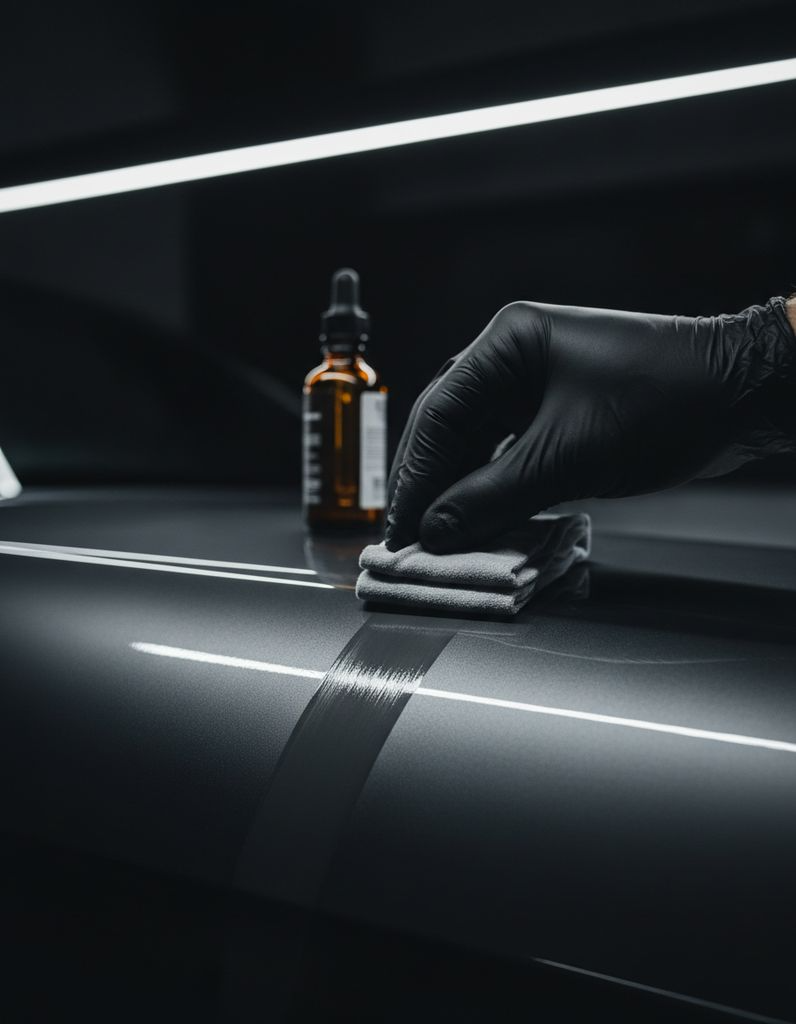
A new car arrives with almost no defects and a full factory clear coat. That is the condition worth protecting. Wait two years and the correction that has to come first will cost paint thickness that you still had on delivery day.
New does not mean unmarked. Dealership washes introduce swirl marks. Transport film leaves adhesive residue. Rail dust from storage, compound polish from pre-delivery, and handover preparation all leave something behind. We remove it before a coating locks it in.
If you want to see the standard before committing a new car to anyone, recent work and what owners said afterwards are both worth five minutes.
Four steps before anything is applied.
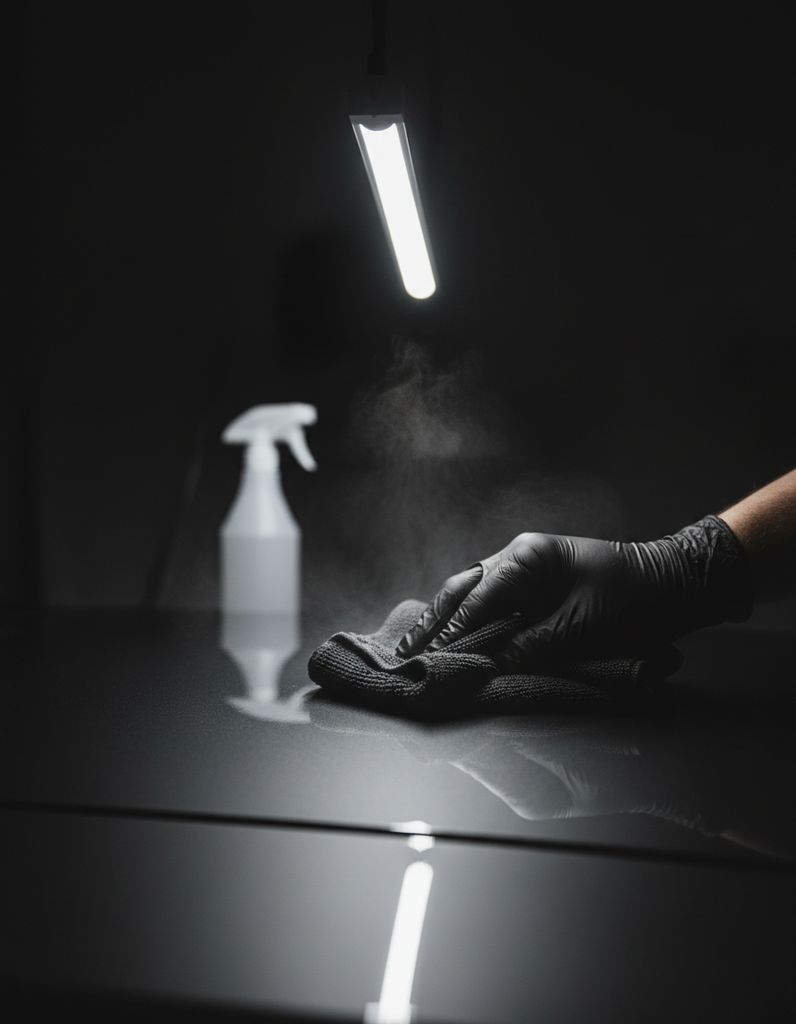
A coating is only as good as the surface under it. On a new car the preparation is lighter than on a used one, but it is not optional — coatings are transparent, and they preserve whatever they are applied over.
-
01
Assessment
Every panel inspected for dents, scratches, transport film residue and paint inconsistency before anything is touched. Delivery damage is easier to raise with a dealer before a coating goes on.
-
02
Machine polish
The exterior is machine polished to level the finish. On a new car this is a light enhancement rather than a correction — the paint has thickness to spare and nothing needs cutting back hard.
-
03
Dealership swirl removal
Handover washes are where most new cars pick up their first swirl marks. Those come out now, while there is a full factory clear coat to work with.
-
04
IPA wipedown
Isopropyl alcohol strips polishing oils from every panel so the coating bonds to bare clear coat rather than to residue.
Two years, or five.
Both are Gtechniq coatings applied by an accredited installer. The difference is how long they are rated for and how the surface behaves in the wet.
Gtechniq Crystal Serum Light
A professional-only coating that cures to a hard film on the clear coat. Two years of chemical and UV resistance, and paint that releases dirt instead of holding it.
Applied by accredited installers only
Ask which one suits the car→Crystal Serum Light + EXO V4
Crystal Serum Light forms the base. Gtechniq EXO V4 is layered over the top, adding water behaviour and gloss the base coat alone does not give you.
up to 5 years layered over Crystal Serum Light
Ask which one suits the car→Wheels, to three depths.
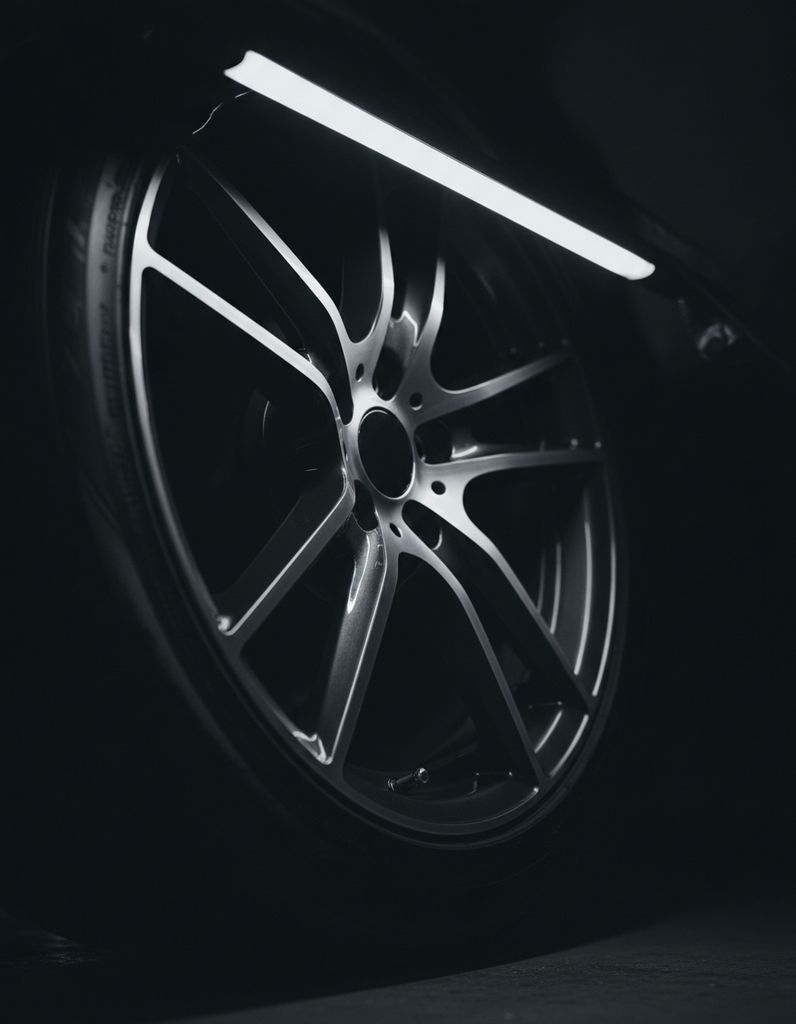
Brake dust is hot metal embedding itself into the finish. Coating the wheels when they are new is the cheapest time to deal with it.
Faces only
Coating on the visible faces. Brake dust sits on the surface instead of bonding to it, so a wash removes what used to need a chemical cleaner.
Faces polished, then coated
The faces are machine polished before coating. Worth it where the wheels already carry marks from a previous clean.
Wheels off
Wheels come off the car. Faces and barrels are both polished and both coated. The inner barrel is the part that collects the most and gets cleaned the least.
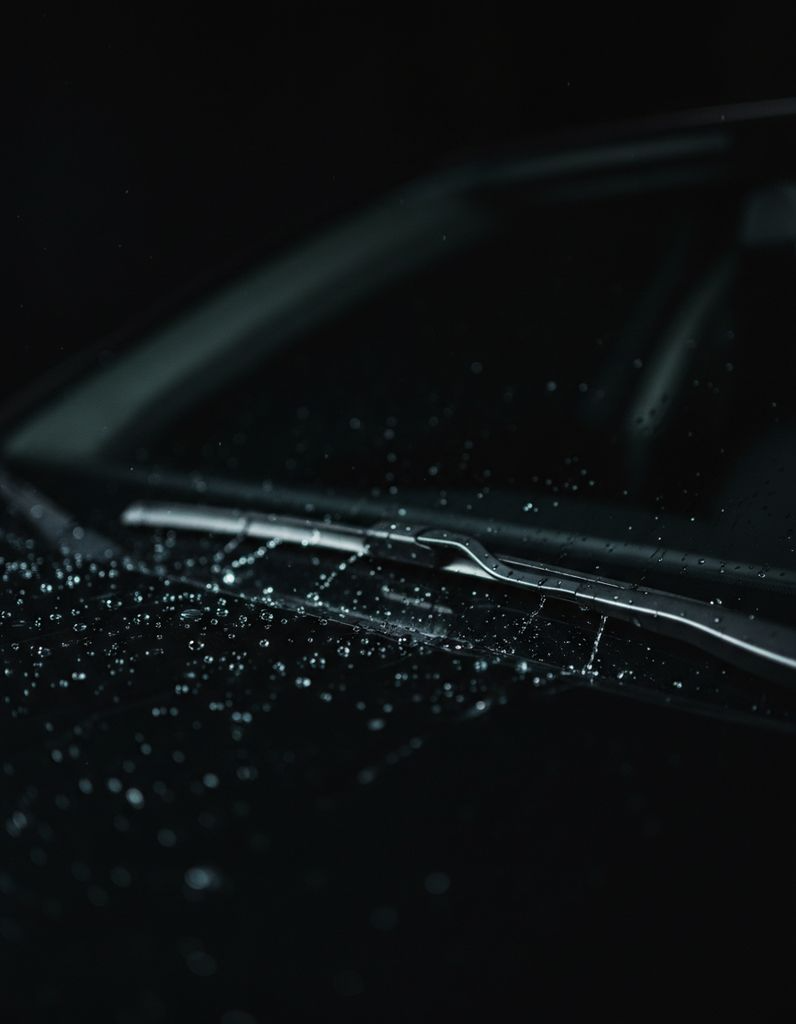
Glass you can see through in the rain.
The one coating whose benefit you notice every wet journey rather than every wash.
Windscreen — Gtechniq G1 Clear Vision
Above roughly 40mph, rain leaves the glass on its own. Rated at 12 months.
All windows — Gtechniq G1 Clear Vision
The same coating on every window. Side glass is where wet-weather visibility usually fails first, because wipers never touch it.
Interior, three levels.
A vacuum and wipe-down is included. Deeper cleaning and protection coatings are quoted per vehicle.
Interior detail
IncludedIncluded with every New Car Protection package. Vacuum, surface clean and glass.
Full interior deep clean
Quoted per vehiclePlastics, leather, fabrics and carpets taken back properly rather than wiped over.
Ask about this optionInterior protection
Quoted per vehicleLeather and interior coating, carpet treatment and dashboard treatment. Most useful on light leather and on a car that will carry children or dogs.
Ask about this option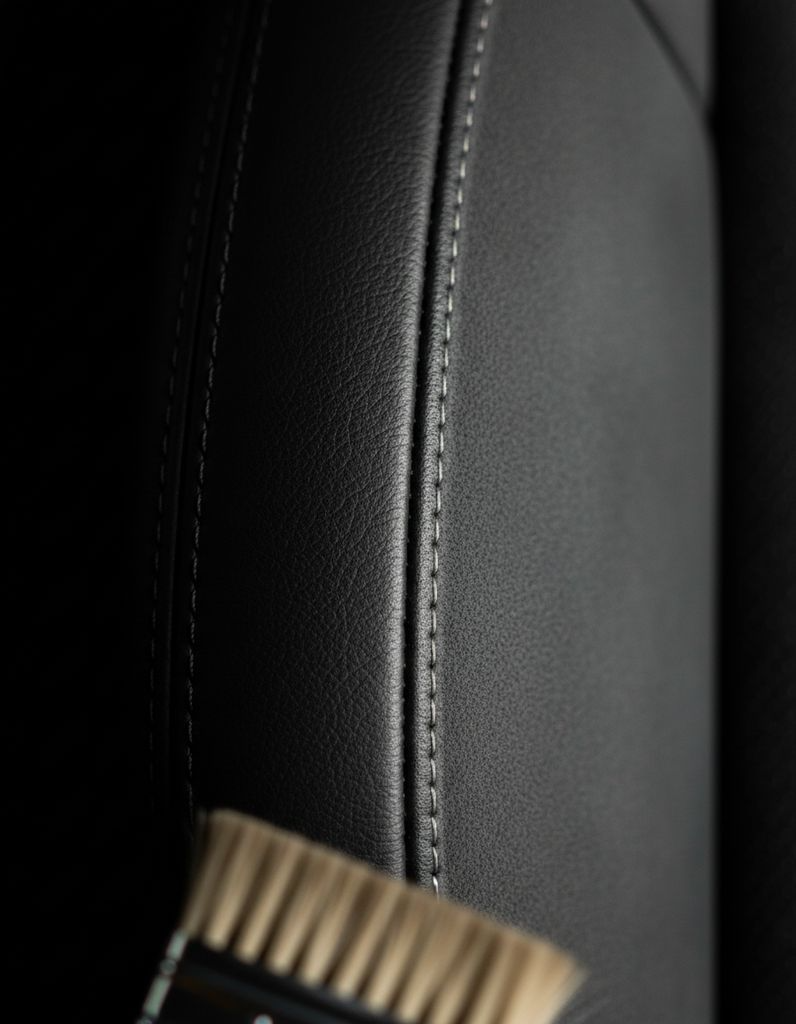
Questions we get about new cars.
Car already has a few years on it? Used Car Protection covers the same coatings, with correction first.